How to Take Care of Porcelain
Porcelain is fired at very high temperatures, which makes it hard, white and durable. Looked after properly, a cup or a figurine keeps its shine for decades and can be handed down as a family treasure. The rules are simple: wash by hand, avoid anything abrasive or aggressive, and dry every piece before you put it away.
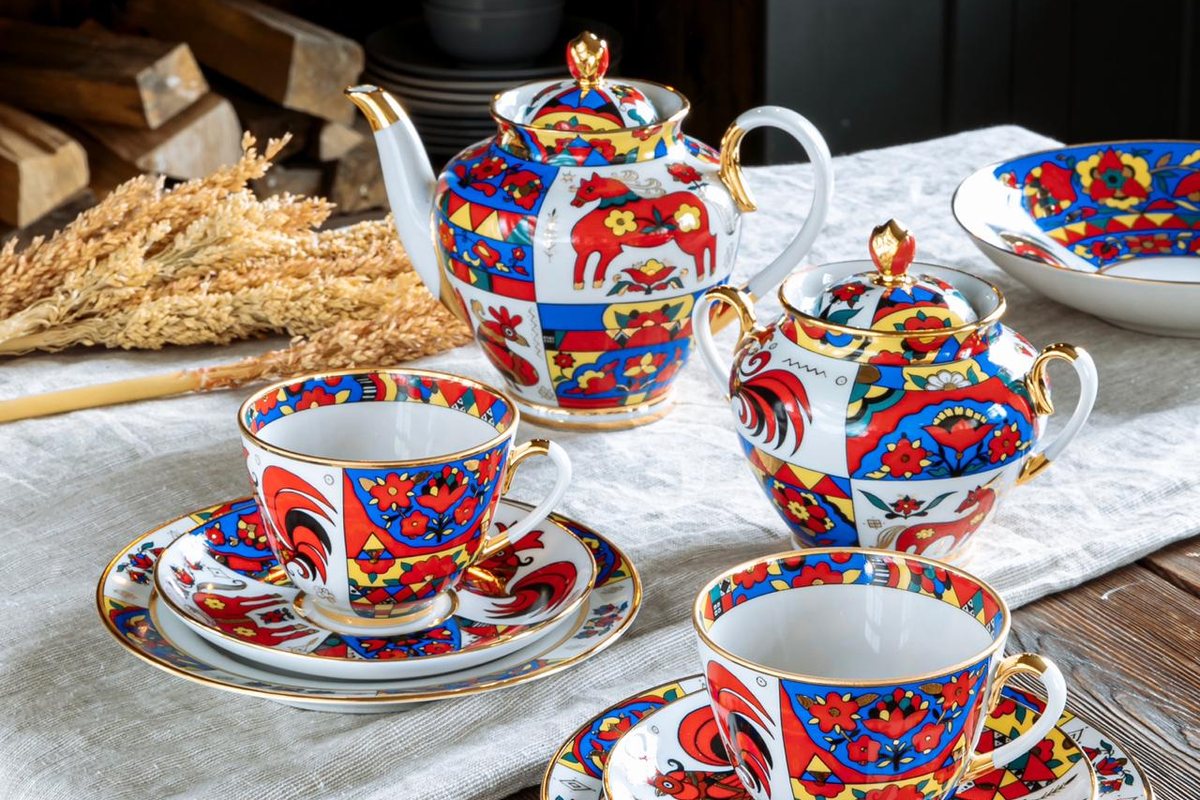
How to wash porcelain by hand
- Line the bottom of a plastic bowl with a towel. If a wet cup slips, it lands on something soft.
- Fill the bowl with warm or cool water so that it covers the pieces by about a third. Never use boiling water.
- Wash the pieces one at a time with a soft cloth, a soft sponge or a soft brush. A bottle brush of the kind used for baby bottles works well.
- Use a mild detergent. Baby soap is a gentle alternative.
- Hold a teapot or a cup by its body, not by the handle, the spout or any raised decoration.
- Rinse under a gentle stream of water. Do not hold pieces high above the sink under a strong jet.
Do not leave porcelain to soak for a long time, and do not let food dry on it. Dried-on food is harder to remove and tempts you to scrub.
Drying
Dry every piece straight after washing. Wipe it with a soft cloth until all the moisture is gone and the glaze shines. Porcelain left to dry by itself shows streaks and water marks. Do not stack plates while they are still damp.
How to remove stains
- Coffee and tea stains. Wipe with a strong solution of salt in water, or with table vinegar.
- Stubborn stains. Add a few drops of ammonia to warm water and wash the piece in it. Tartaric acid is an alternative.
- Dark marks. Moisten a cotton pad generously with hydrogen peroxide and wipe the mark gently several times.
Rinse and dry the piece afterwards. Keep all of these away from gold and painted decoration, and try them on the white porcelain first.
Can porcelain go in the dishwasher?
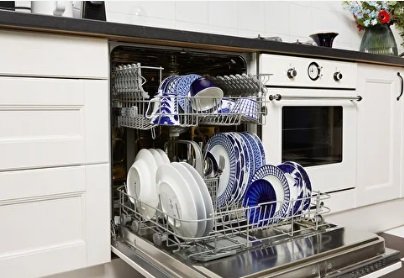
We do not recommend it. A full cycle is hard on fine porcelain: pieces can knock against each other, and strong detergents damage the glaze and the decoration. If you decide to use a dishwasher anyway, follow these rules:
- Choose a short, gentle cycle.
- Keep the temperature at or below 60 °C (140 °F).
- Rinse off all food first. The fewer hard particles are left, the lower the risk of scratches.
- Place the pieces well apart from each other and from the walls of the machine. The slightest contact during washing can chip them.
- Use a mild detergent without aggressive chemicals.
- Take the pieces out as soon as the cycle ends and wipe them dry.
What not to do
- Do not use abrasive brushes, metal scourers or hard sponges. They leave fine scratches that darken with time.
- Do not use harsh chemical cleaners. They dull the shine and can leave marks that will not come off.
- Do not pour boiling water over cold porcelain.
- Do not put decorated porcelain in a microwave or an oven. Gold and platinum decoration must never go into a microwave.
- Do not stack pieces in a tall pile.
Storage
Give each piece room. If you have to stack plates, saucers or cups, put a soft cloth between them so that the foot of one does not rub the glaze of the next.
Antique pieces
Antique porcelain with complex or moulded decoration should not be washed at all. Brush the dust off with a soft brush.
Porcelain made with this much care deserves a little in return. Treat it gently and it will look as good in thirty years as it does today. Browse the catalogue to find your next piece.